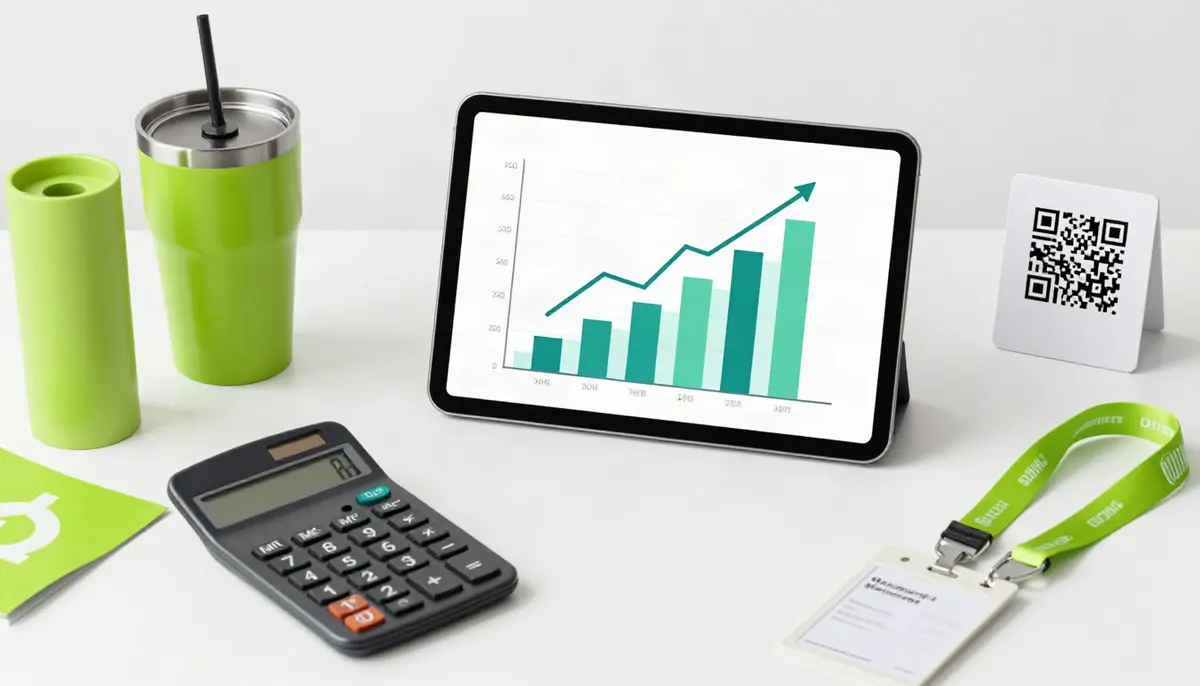
Promotional material is often bought “because we always do,” without knowing whether it worked. Measuring the return does not require complex tools: decide beforehand what you will count and run a simple calculation at the end.
The general formula
ROI = (benefit obtained − investment) ÷ investment
The challenge is defining the benefit. It depends on the type of material.
POP material: sales at the point
Compare sales of the same product in the same store with and without the piece over the same period. Extra units times your margin are the benefit.
Merchandise: cost per exposure
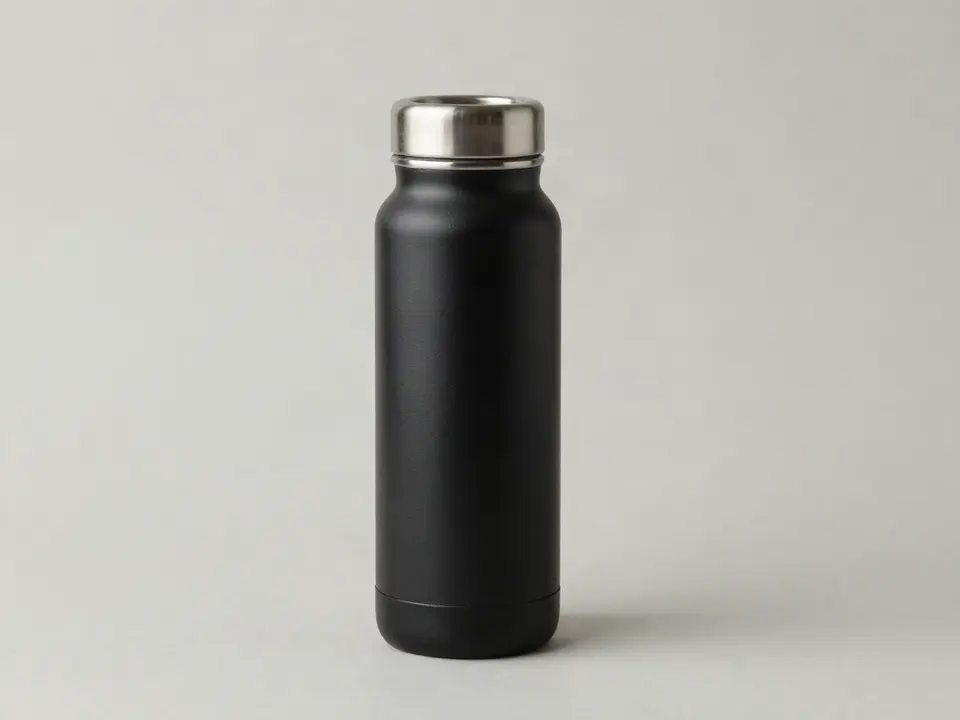
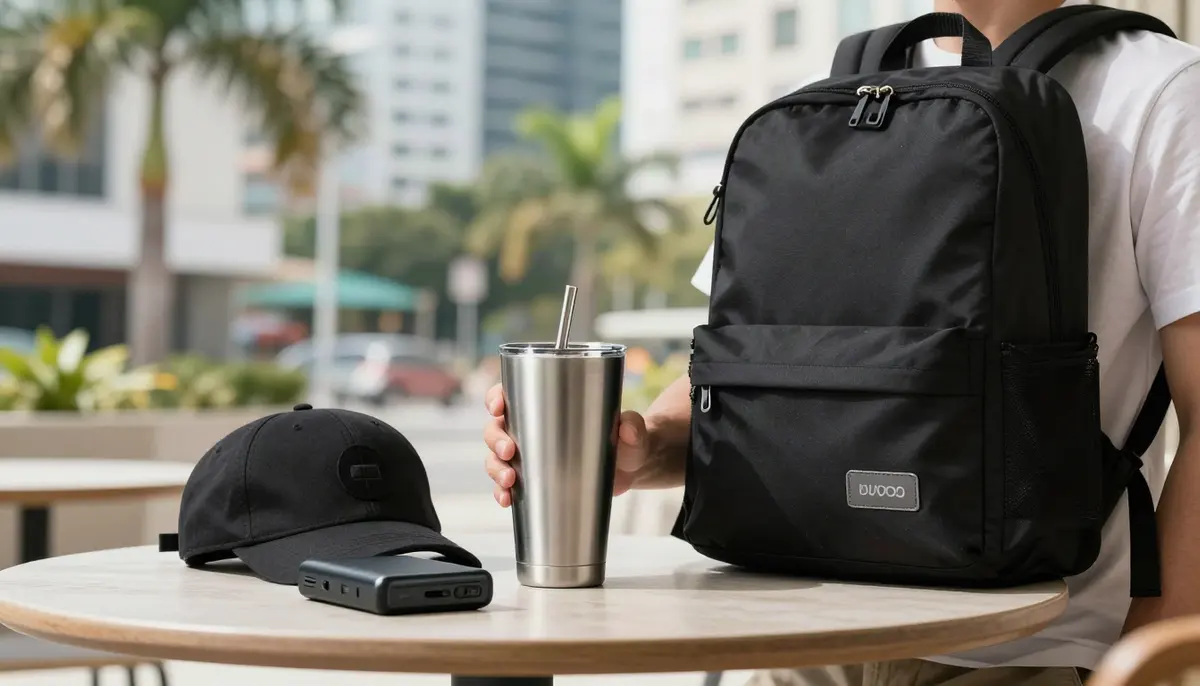
A tumbler someone uses several times a week for months adds up to hundreds of exposures. Divide the unit cost by the estimated days of use to get the cost per exposure, and compare it with what you pay for ads.
Signage: cost per use
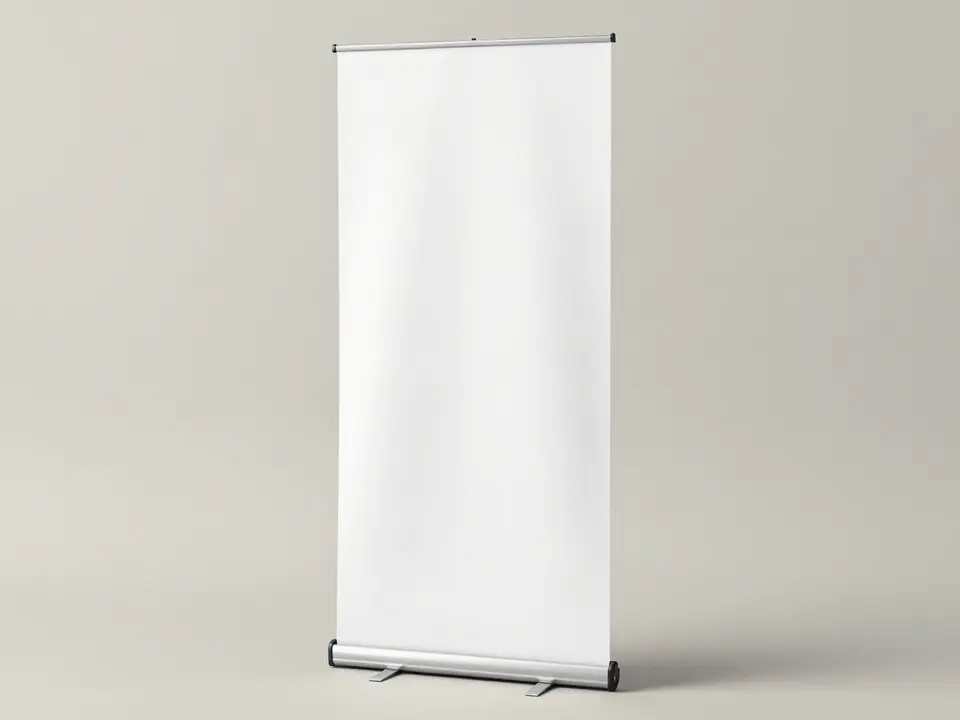
An undated roll-up is reused across many activations. Divide its cost by the number of times it goes up. Add a trackable QR code and you can also count scans per event.
Activations: cost per contact
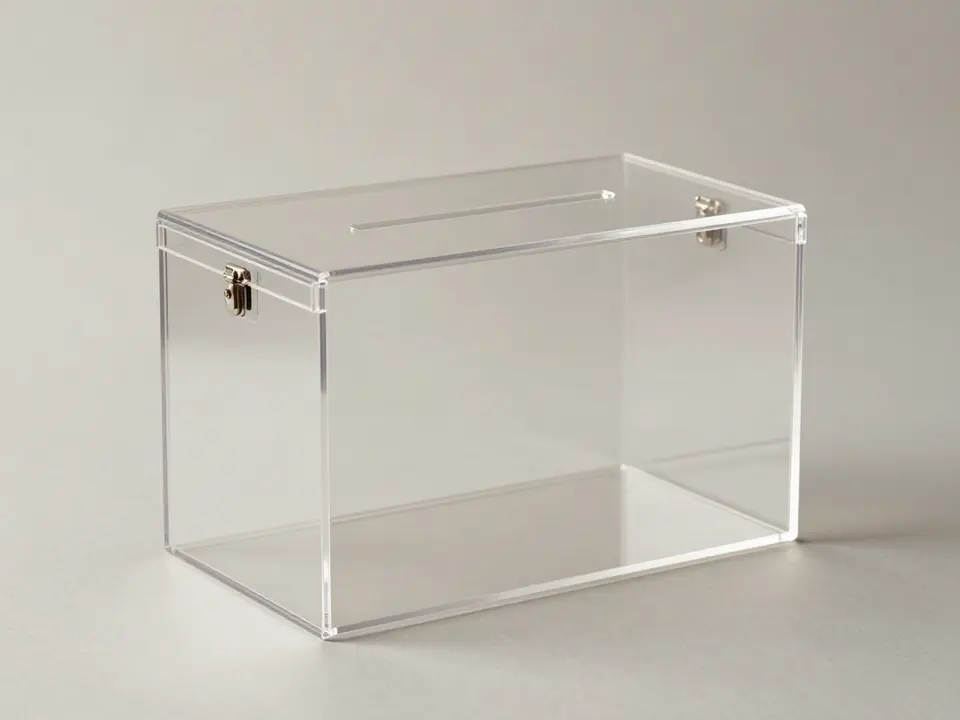
Divide the total investment by contacts captured (for example, with a raffle box or a QR holder). Then track how many of those contacts bought.
Identification: exposure and control
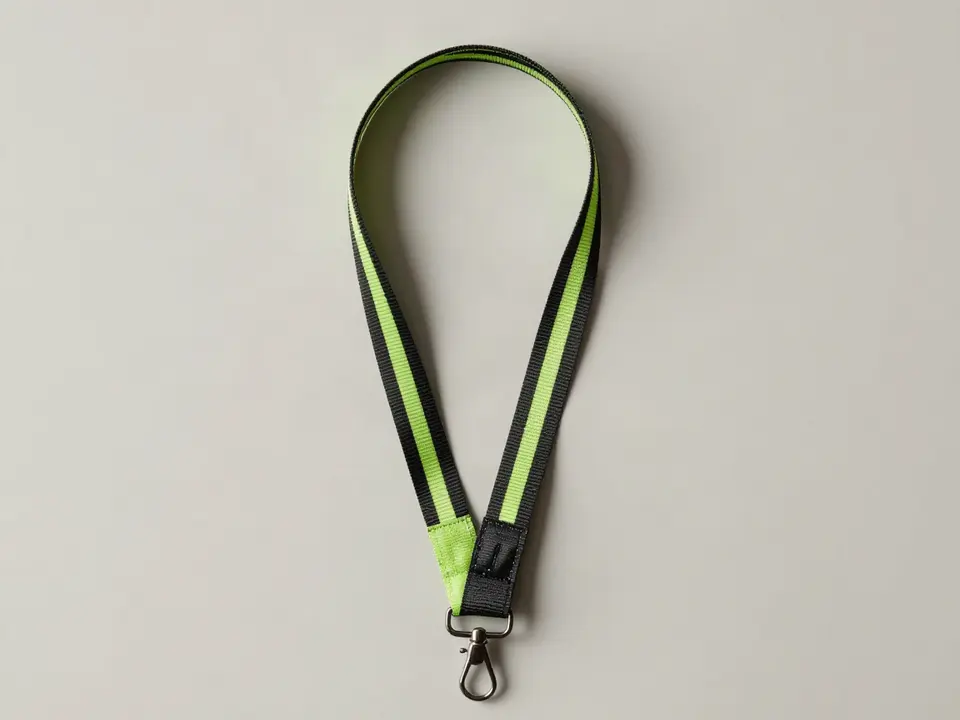
A sublimated lanyard is seen throughout the event and in photos. Access control also avoids costs such as extra staff or unauthorized entry.
What to always record
- How much you invested, including setup and shipping.
- What you wanted to achieve (sales, contacts, attendance, photos).
- The result, with a concrete source: register, form, scans or a head count.
With that record, you can decide with data what to repeat and what to change next campaign. Each product page in our catalog shows the return formula that applies to that piece.